Address
304 North Cardinal
St. Dorchester Center, MA 02124
Work Hours
Monday to Friday: 7AM - 7PM
Weekend: 10AM - 5PM
Address
304 North Cardinal
St. Dorchester Center, MA 02124
Work Hours
Monday to Friday: 7AM - 7PM
Weekend: 10AM - 5PM

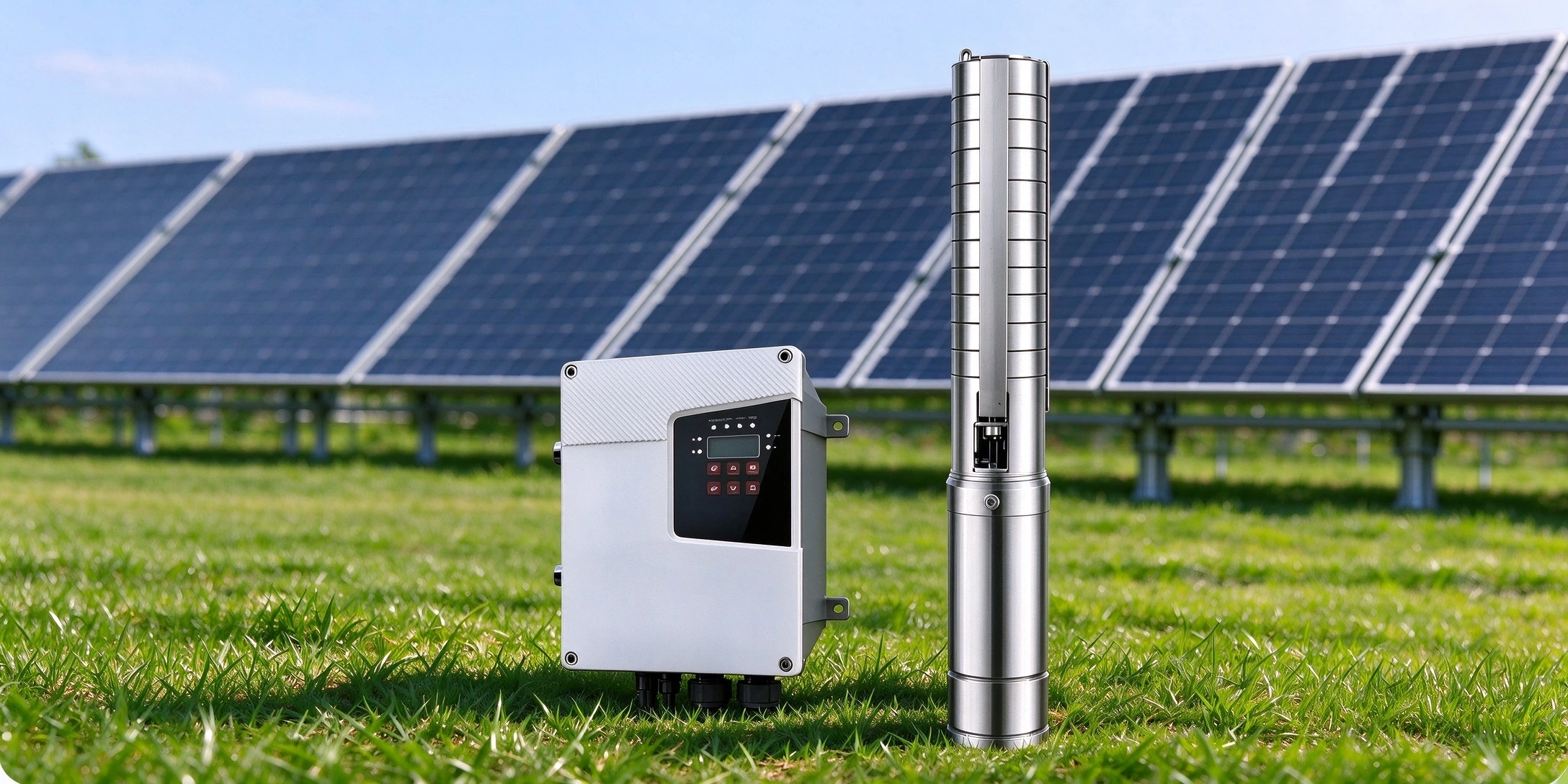
A solar submersible water pump is a reliable tool for off-grid irrigation, livestock watering and rural water supply. When it stops working, however, most faults are not in the pump itself. In a solar powered system, the photovoltaic panels, the controller and the wiring fail first. This article covers the five most common problems, what causes them, and the fixes you can carry out on site before calling a technician.
| Fault Symptom | Most Likely Cause | On-Site Check | Needs Factory Repair? |
| Pump will not start | Low panel voltage / loose wiring | Measure open-circuit voltage, check polarity and terminals | No |
| Runs but delivers little water | Dropped water level / head mismatch / blocked strainer | Check well level, compare with flow-head curve, clean strainer | Sometimes |
| Stops and restarts often | Cloud cover / undersized array / dry-run protection | Clean panels, remove shading, read controller fault codes | No |
| Water enters pump housing | Damaged cable gland / worn mechanical seal | Lift pump, inspect cable entry, test insulation resistance | Yes |
| Weak output on cloudy days | Insufficient irradiance / undersized array | Upgrade to MPPT controller, enlarge array size | No |
A pump that will not start is usually a power problem, not a pump problem. Check the system in this order:
If the pump still does not start, disconnect it and run the motor from another power source to isolate the fault.
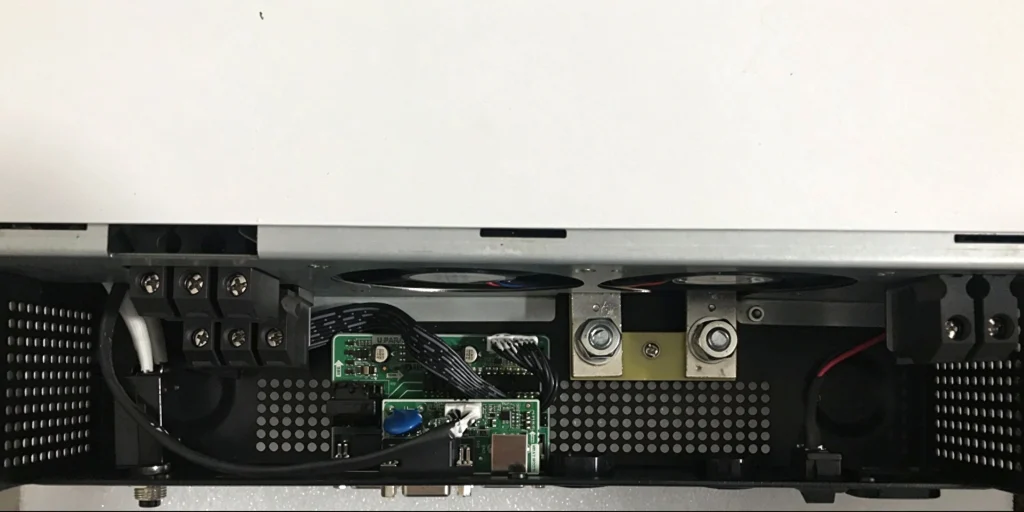
A running motor with little or no water usually points to hydraulics, not electronics:
This is the most common pattern in a solar submersible water pump used for deep well intake: the motor keeps turning, but the delivered flow falls over time. Regular cleaning of the strainer usually restores full output.
Frequent stop-restart cycles are the most common complaint in solar submersible water pump installations, and the cause is almost always supply-side:
Fix the supply first: clean the panels, remove shading, and enlarge the array if needed. Many solar pump systems now use an MPPT solar pump inverter, which tracks the panel voltage and draws more usable power from the same panels, so check the controller settings before you enlarge the array.
Water entering the cable entry is the most serious problem a solar submersible water pump can develop, because the motor and bearings sit in a sealed housing:
A leaking pump should be lifted and serviced; drying the outside and restarting it is not a fix. If the insulation resistance is low, return the pump for repair rather than risk a short circuit.
Solar power energy is intermittent by nature: output follows sunlight, so a cloudy day means less water. This is expected behavior, not a fault. The Food and Agriculture Organization (FAO) stresses that these systems need adequate management to stay reliable. To improve weak-weather output:
For off-grid projects, size the array for the worst season, not the average one.
Q1: How do I know if my solar submersible water pump is broken?
Start with the power side: measure panel output voltage and check the controller fault code. If power reaches the controller but the motor does not turn, the pump itself is likely faulty.
Q2: Can a solar submersible water pump work on cloudy days?
Yes, but output drops with irradiance. An MPPT controller improves weak-light performance. For consistent pumping, size the array for the worst season, not average sunshine.
Q3: How often should I clean the pump strainer?
In sandy or sediment-heavy water, inspect and clean the strainer every 3–6 months. In clean water, an annual check is usually enough.
Q4: What size solar panel do I need for a submersible pump?
Match the panel wattage to the pump’s rated input power and your daily water requirement. As a rule, the array should provide 1.3–1.5 times the pump’s rated power to account for cloudy days and losses.
Q5: Why does my solar pump keep turning on and off?
Usually the controller trips on low-voltage protection. Check for shading, dirty panels, or an undersized array. Dry-run protection can also trigger this if the water level is low.
Q6: How deep can a solar submersible water pump go?
It depends on the model’s rated head. Common residential and agricultural units handle 50–200 m of head. Check the flow-head table on the product page for your specific model.
Water inside the motor housing, a burned winding, or a controller fault code you cannot clear are not field repairs. Share your pump model, controller type and fault description, and our team will identify the correct spare part or replacement. Contact us.
HUOPUSOLAR pumps are tested in our performance laboratory, including hydraulic performance, pressure endurance and insulation resistance checks, before delivery. OEM support and bulk supply are available for irrigation and off-grid projects.